

The Jobsite Conditions That Can Change the Way a Mobile Weld Repair Is Performed

A mobile weld repair can look simple until the jobsite gets involved. Certified welders in Louisville, KY, have to consider the work area before deciding how to handle the repair. Conditions around the damaged metal can affect the plan from the start.
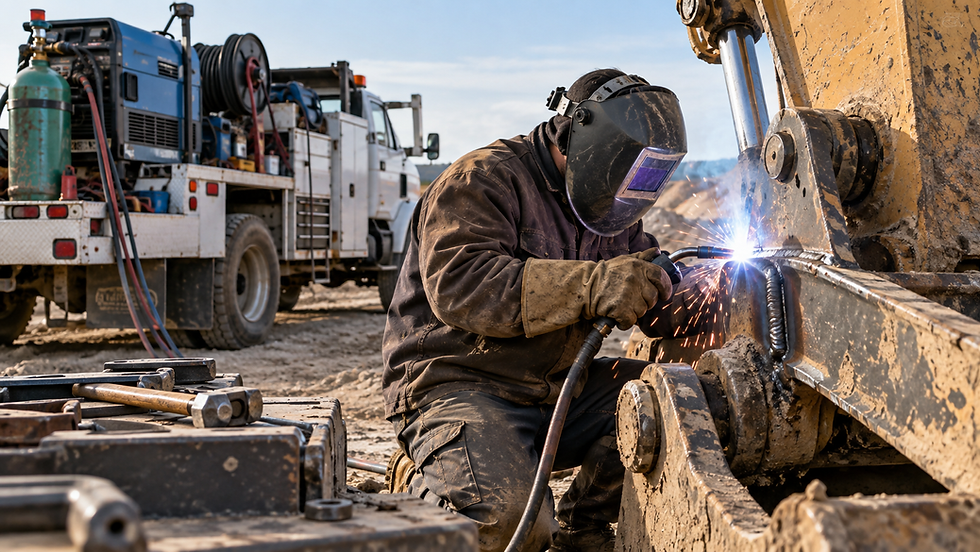
Epic Welding brings mobile welding service directly to the jobsite. Their team looks at the full situation before getting to work. A careful plan helps the repair fit the equipment, location, and demands of the job.
Good mobile welding starts with understanding what the worksite allows.
Here are the jobsite conditions that can change the way a mobile weld repair is performed.
Key Takeaways
Jobsite conditions can change how a mobile weld repair needs to be planned.
Access, movement, and the work area can affect the welding approach.
A good repair starts with adapting the job to the conditions around the damaged metal.
Wind Can Change the Welding Process
Outdoor welding can get tricky when strong wind starts moving across the work area. Airflow can blow shielding gas away and expose the hot weld to dirt and other contamination. That can weaken the finished repair if the welder does not adjust the setup.
Wind barriers may help protect the weld when conditions allow. A different welding process may also work better when shielding gas cannot stay in place. Certified welders in Louisville, KY, can judge the site conditions and choose an approach that fits the job.
Tight Access Changes the Approach
A visible crack does not always mean the repair is easy to reach. Narrow spaces can limit how the welder holds the gun, electrode, or other tools. Poor access may also change the angle used to prepare and weld the joint.
Nearby parts sometimes need to come off before the damaged area can be reached safely. Extra clearance can give the welder room to clean the metal and position the repair correctly. Planning around the tight space can help avoid a rushed weld that is harder to complete well.
Old Coatings Can Hide Trouble
Layers of paint, grease, and rust can make damaged metal look better than it really is. Surface buildup may cover small cracks, worn edges, or weak spots near the repair. Removing that material gives the welder a clearer view of what needs attention.
Cleaning the area can also uncover damage that was not visible at first. The crack may run farther than expected or reach metal that is too weak for the original repair plan. Finding those issues early helps the welder adjust the job before any welding begins.
Choose the Right Team of Certified Welders in Louisville, KY
Jobsite conditions can shape the entire repair. Epic Welding knows how to adjust the work based on what the site demands. The right plan can help the repair move forward with fewer problems.
Frequently Asked Questions
Can wind affect a mobile welding repair?
Yes, wind can interfere with some welding processes and change how the job is set up. A welder may use barriers or another welding method to protect the repair area.
Does rust need to be removed before mobile welding?
Rust and old coatings may need to be cleared away before welding starts. Cleaning the area can also reveal cracks or weak metal that were hidden underneath.
Why does access matter during an on-site weld repair?
Limited access can change how a welder reaches and works on the damaged area. Tight spaces may call for a different welding position, extra preparation, or removal of nearby parts.


Comments