

Why Industrial Welding Projects Require Experience With Different Metals and Equipment Conditions

A cracked weld on an industrial machine might be the start of a much bigger problem. Old steel, hidden grease, and constant shaking make some repairs harder than they look. Using the wrong welding method could leave your equipment with another weak connection.
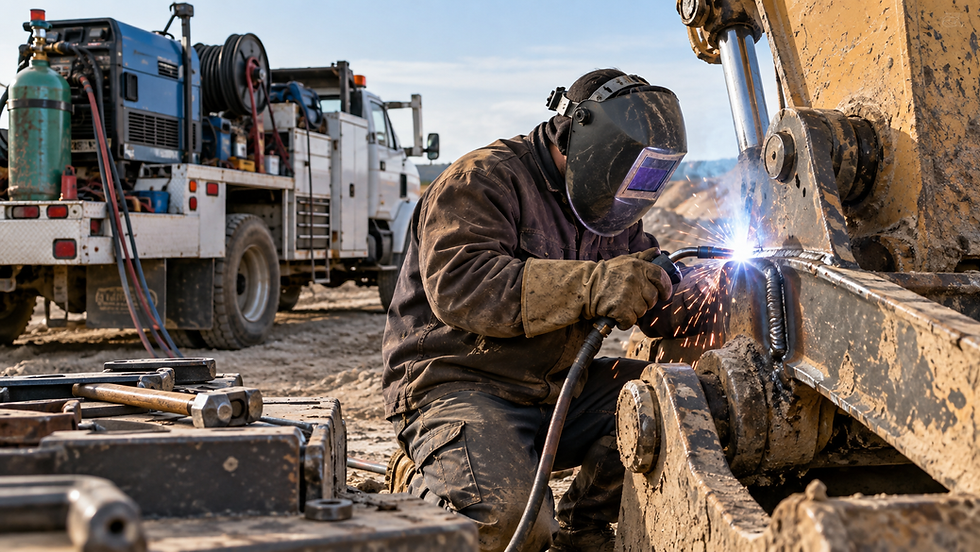
Some metals react badly to heat, while others need extra care before welding begins. Tight spaces and nearby machine parts add even more challenges. Epic Welding has certified mobile welders in Louisville, KY, who understand how to handle tough metal repairs right at your worksite.
Hiring an experienced welding team helps protect your equipment from poor repairs and costly damage.
See what makes industrial welding so demanding and why the right experience matters.
Key Takeaways
A weld that keeps cracking could mean your equipment has a deeper problem than damaged metal.
Heat-treated steel, hidden grease, and mixed metals demand careful welding to prevent weak connections.
Tight spaces and nearby machine parts make professional mobile welding experience even more important.
Hidden Contamination Inside Old Metal
A greasy machine part can look clean after a quick wipe. Years of oil leaks may leave dirt trapped in cracks and tiny pits. When welding starts, leftover grease can burn and release gas into the hot metal.
That trapped gas can leave small holes inside the weld as it cools. Welders call this porosity, and it can weaken the joint under heavy loads. Experienced mobile welders remove surface buildup and check for deeper contamination before making the repair.
Welding Positions Change the Repair
Welding beneath a large machine is harder than working on a flat table. Gravity pulls hot metal downward, making overhead welds harder to control. Mobile welders in Louisville, KY, must adjust their methods to keep the molten metal in place.
Vertical joints bring their own problems when the weld pool starts to sag. Epic Welding has experience handling industrial repairs in tight spaces and awkward positions. Skilled welders choose suitable equipment and adjust their technique based on where the joint sits.
Welding Current Could Damage Nearby Components
A welding repair can harm machine parts far from the damaged joint. Electricity may pass through bearings or controls if the return clamp sits in the wrong spot. That stray current can damage bearing surfaces or sensitive circuits inside the equipment.
Large machines have hidden electrical paths that welders need to consider. A skilled mobile welder checks the layout and places the return clamp close to the repair area. Sensitive parts may also need protection or disconnection based on the machine's service instructions.
Protect Your Equipment With Professional Mobile Welding Services
The wrong welding repair could leave your machinery with fresh cracks, damaged parts, or another costly breakdown. Epic Welding LLC brings the skills and equipment needed to handle tough metal repairs right at your worksite. Trust their experienced mobile welders to address damaged connections and help keep your industrial equipment working safely.
Frequently Asked Questions
What happens if the wrong filler metal is used during industrial welding?
The wrong filler metal could create a weak connection or cause cracking when the equipment is under stress. Professional mobile welders match the filler metal to the materials and working conditions before starting repairs.
How do mobile welders repair metal that has been exposed to years of industrial use?
Experienced welders inspect older metal for rust, cracks, and contamination that could affect the repair. They prepare the damaged area and choose a welding process suited to the metal's condition.
What makes welding repairs on operating industrial equipment so challenging?
Large machines often have limited access, sensitive electrical parts, and components that could suffer heat damage. Skilled mobile welders assess these risks and take steps to protect the equipment during repairs.


Comments